For most mixed-fleet MRO hangars, a tele platform offers greater flexibility because technicians can position the work platform around different aircraft without filling the hangar floor with permanent docking structures. A fixed aircraft dock is often better when the same aircraft type, parking position, and maintenance process are repeated continuously. The decision should therefore be based on fleet mix, maintenance scope, hangar space, access frequency, and future aircraft requirements, rather than equipment price alone.
A fixed aircraft dock is designed around predetermined aircraft access zones. It provides stable working areas around locations such as the fuselage, wing, nose, or tail and can be highly effective for repetitive maintenance programs. Aircraft docking systems are commonly customized around specific aircraft geometry and maintenance requirements.
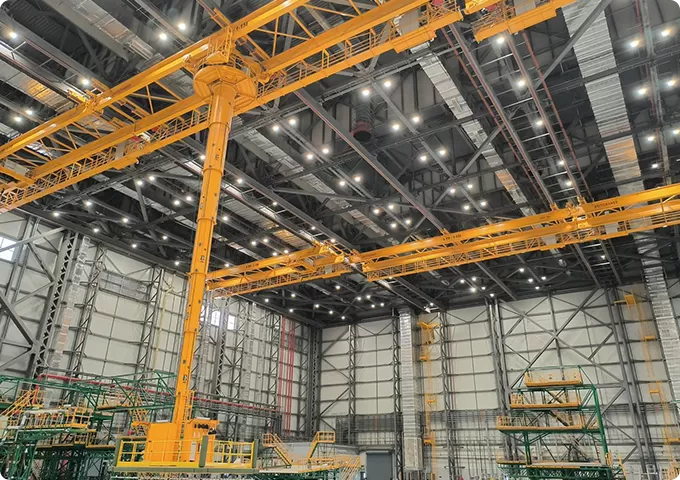
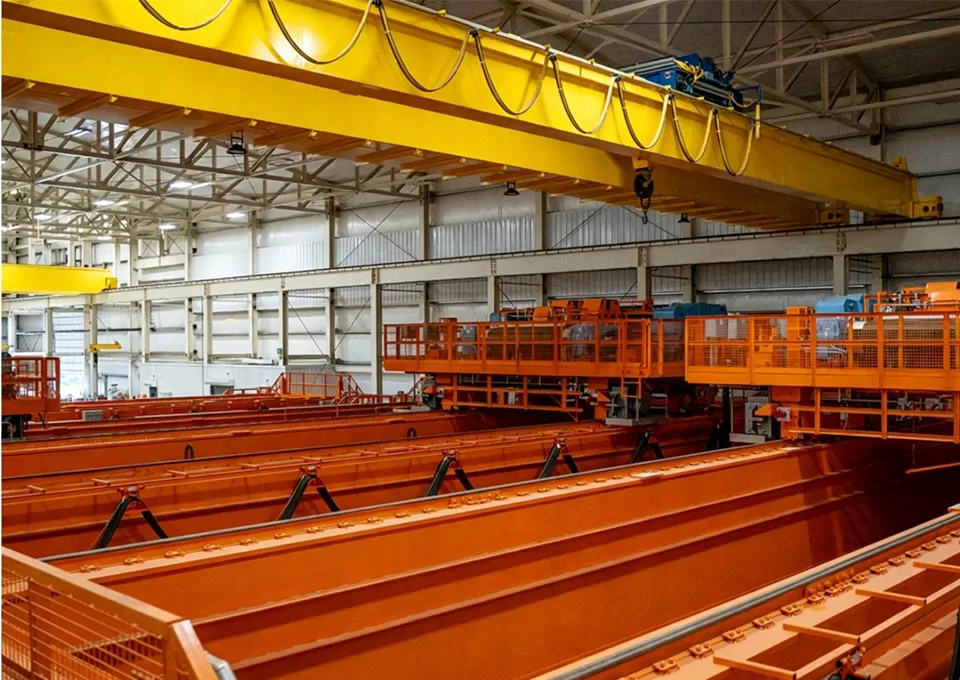
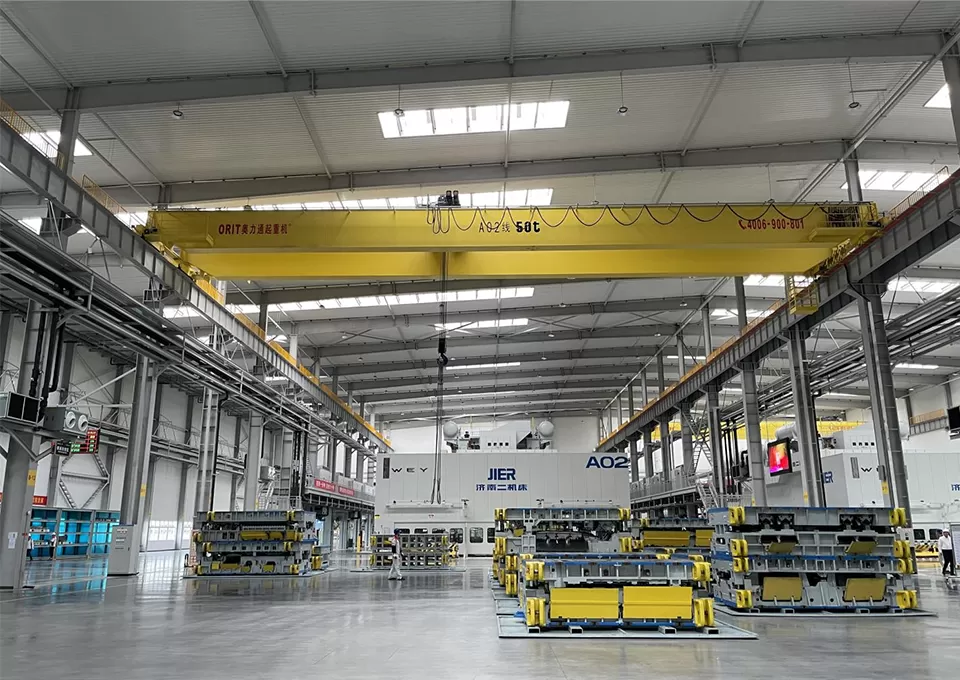
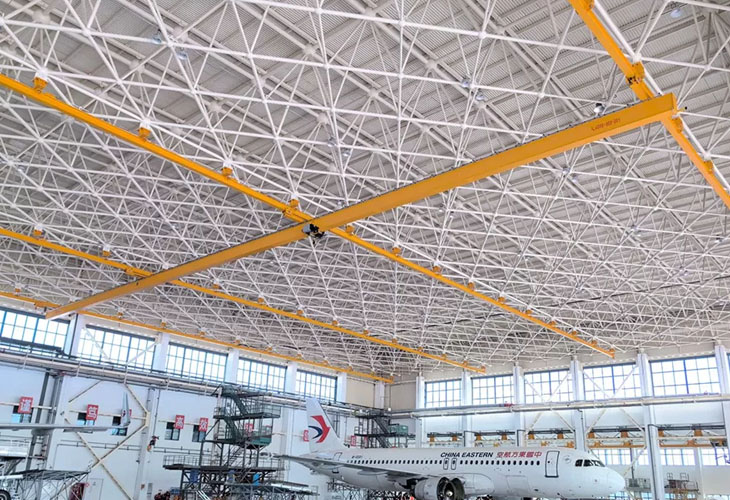
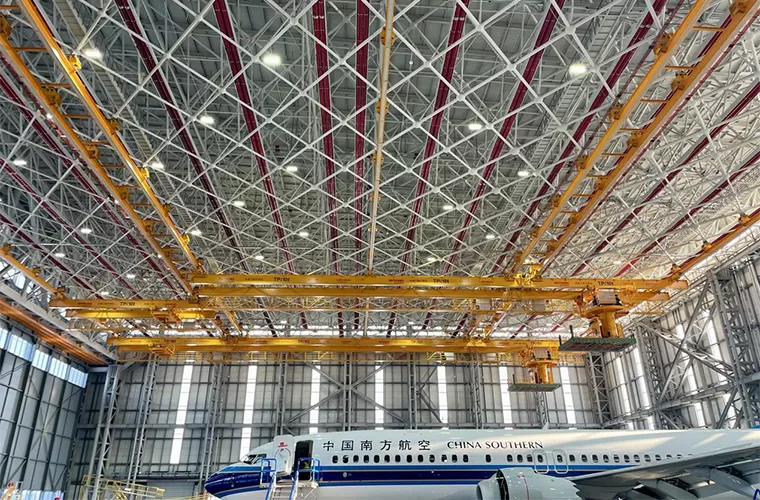
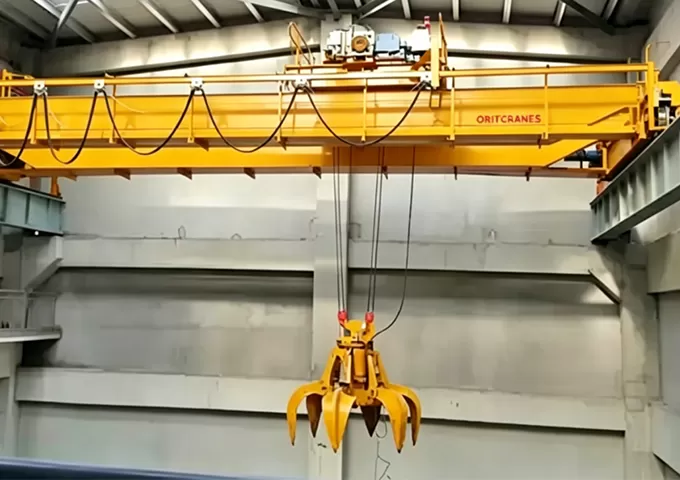
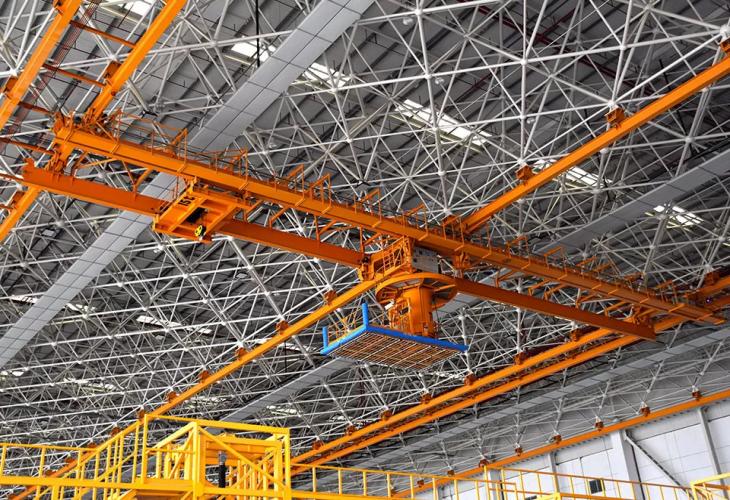
A tele platform, by comparison, approaches the aircraft from above. ORITCRANES' system integrates an overhead hangar crane structure, upper platform, telescopic mast, and working platform. Crane travel, trolley movement, vertical telescoping, and platform rotation allow technicians to position themselves at different areas of the aircraft.
This fundamental difference directly affects hangar flexibility.
A tele platform is generally more suitable for mixed-fleet MRO operations.
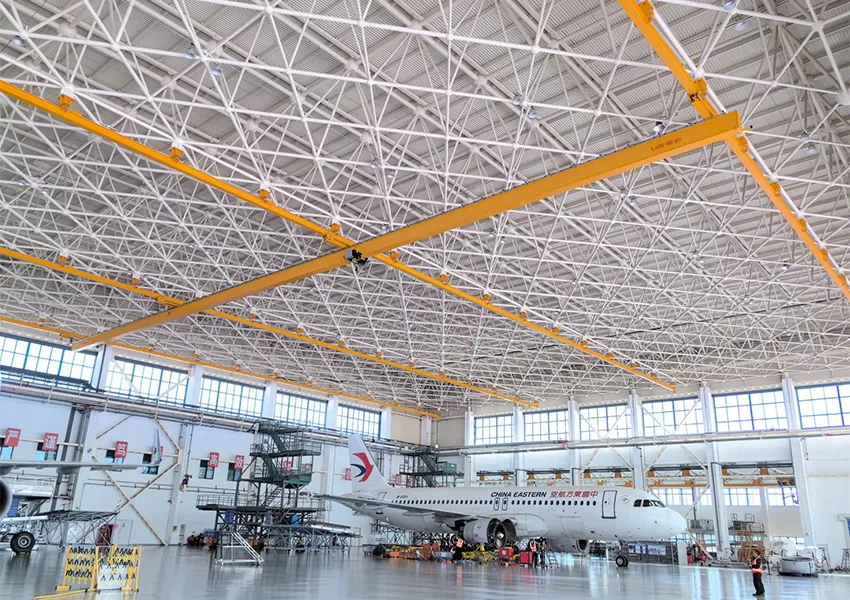
Because the platform can move within the overhead crane coverage area, access is not permanently determined by the dimensions of one aircraft model. Similar tele-platform technology is used to reach aircraft parked at different orientations, which is particularly valuable when incoming aircraft types change frequently.
A fixed dock works best when aircraft geometry and maintenance positions are predictable. When a facility begins servicing significantly different aircraft families, additional docking sections, adjustments, or new equipment may be required.
For an MRO operator expecting future fleet changes, access flexibility should therefore be evaluated as part of the original hangar investment.
This is one of the strongest arguments for a tele-platform.
Fixed docks occupy valuable floor space around the aircraft. Depending on their configuration, they can also affect ground equipment movement, component transportation, and aircraft positioning.
A tele platform is suspended from an overhead system and can be parked away when it is not required. Tele-platform systems can travel below overhead crane tracks and be deployed at different locations across the hangar.
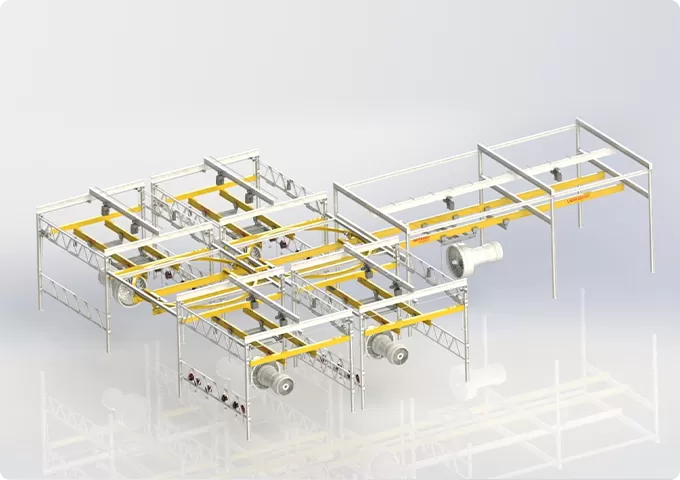
ORITCRANES has also integrated tele-platforms, hangar cranes, and aircraft docks within the same MRO facility, allowing different access technologies to complement rather than replace one another.
This means the decision does not always have to be “tele platform or dock.” Large MRO facilities may benefit from a hybrid arrangement.
For localized inspection, repair, painting, or maintenance at changing positions, the tele platform has a clear advantage.
The telescopic mast allows the working platform to move vertically, while crane and trolley travel provide horizontal positioning. ORITCRANES also incorporates rotational capability, enabling technicians to approach difficult aircraft areas more precisely.
This can be particularly useful for:
Vertical stabilizer and tail maintenance
Upper fuselage inspection
Aircraft painting and surface work
Localized repairs
High-level component servicing
Fixed docks remain very effective when technicians need continuous access to the same large section of an aircraft for extended maintenance work.
The main safety benefit is controlled access without repeatedly moving temporary ground platforms around the aircraft.
Modern tele-platforms can incorporate distance monitoring, anti-collision functions, safety interlocks, emergency systems, and controlled movement. ORITCRANES, for example, specifies smart safety bumpers, safety-door interlocks, anti-collision systems, and real-time monitoring for its tele-platform solution.
Other aviation tele-platform systems also use non-contact distance-control technology to help prevent the work platform from contacting the aircraft.
For MRO facilities working on high-value aircraft, collision prevention should be treated as a core system requirement rather than an optional feature.
Yes, and this can significantly improve overall hangar utilization.
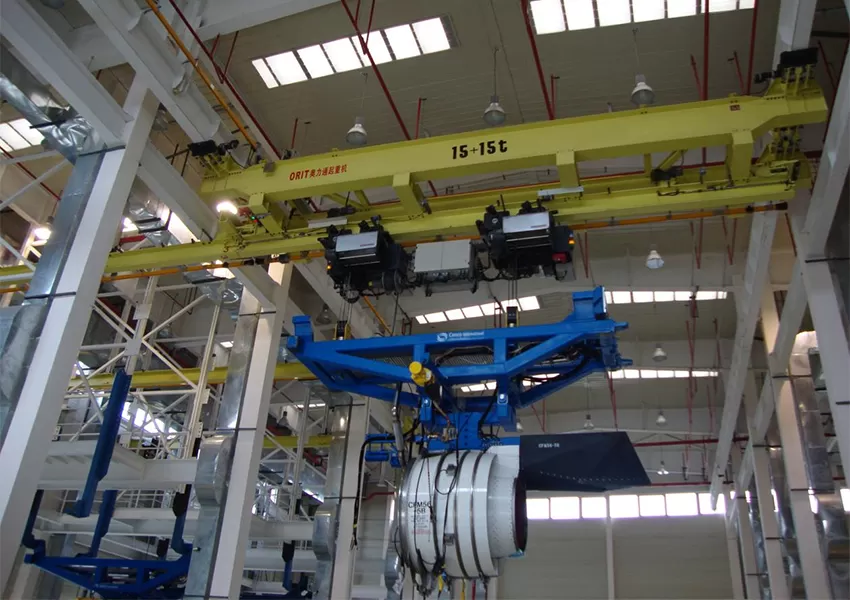
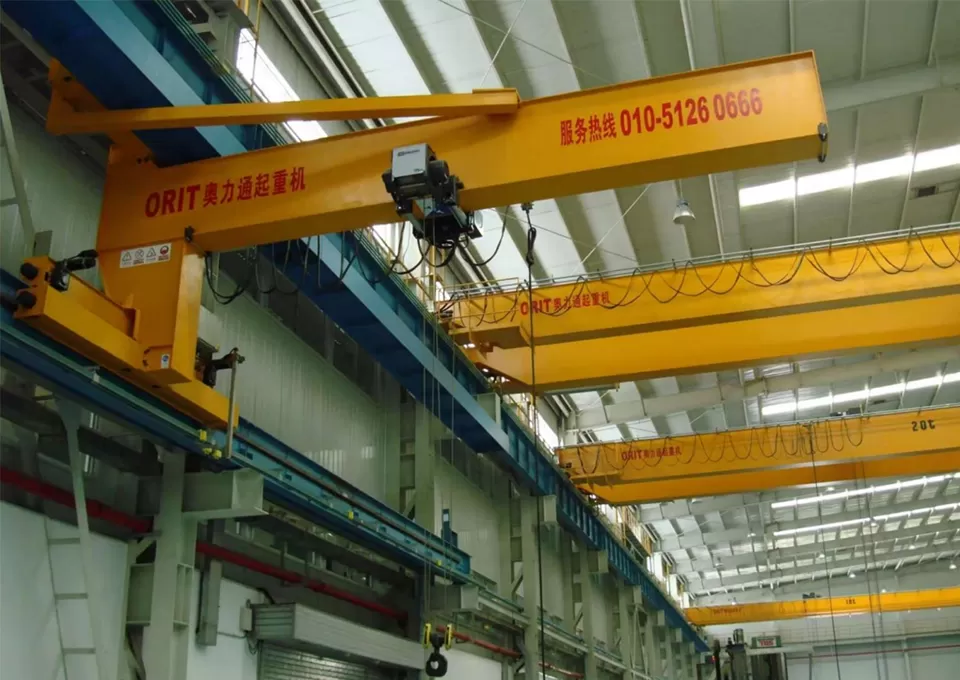
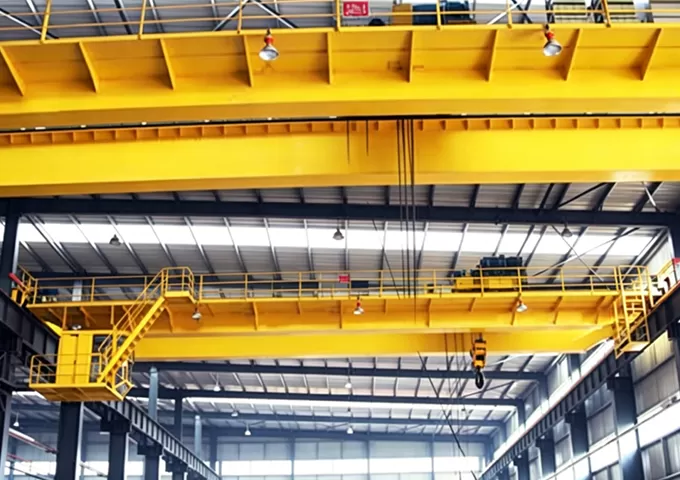
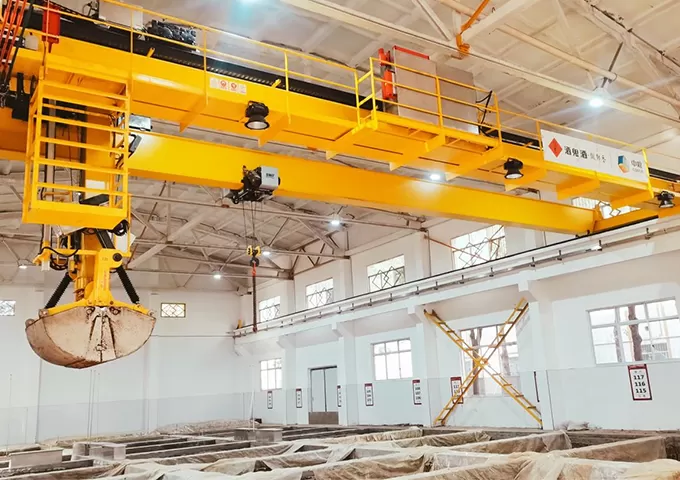
A tele-platform can form part of an integrated overhead system where crane bridges support different maintenance functions. ORITCRANES' design allows interconnected overhead hangar cranes to extend tele-platform travel across the hangar.
Depending on system architecture, the same hangar may combine personnel access with an aircraft crane used for engine, component, or tooling handling.
For a new MRO project, it is therefore important to plan aircraft access and lifting systems together. Roof loads, crane routes, aircraft clearances, maintenance docks, lighting, ventilation, and equipment movement should all be coordinated during the early design stage.
A fixed dock remains the stronger choice when:
The facility mainly services one aircraft family.
Aircraft parking positions rarely change.
Technicians require continuous access to large areas.
Heavy maintenance tasks are highly repetitive.
Floor space around the aircraft can be permanently allocated.
A tele platform becomes more attractive when aircraft types change frequently, floor-space flexibility is important, or maintenance teams need rapid access to multiple positions around an aircraft.
There is no universal winner between a tele-platform and a fixed aircraft dock.
For repetitive heavy maintenance on a predictable fleet, fixed docking provides practical and consistent aircraft access. For mixed-fleet MRO facilities that prioritize flexibility, overhead access, and efficient hangar-space utilization, a tele platform can offer significant operational advantages.
In many modern hangars, the best solution is an integrated system combining a tele-platform, fixed docking where needed, and an aircraft crane for component handling.
The key is to design these systems around the maintenance workflow—not as separate pieces of equipment.
Yes. Its movable and adjustable configuration makes it particularly useful for mixed-fleet MRO hangars.
It can be. Fixed docks are well suited to repetitive maintenance where technicians need continuous access to predefined aircraft areas.
Yes. Integrated hangar systems can combine tele-platform access with aircraft crane functions to support both personnel access and component handling.
Generally, yes. Because the system operates from overhead and can be parked when not in use, it reduces dependence on permanent floor-based access structures.