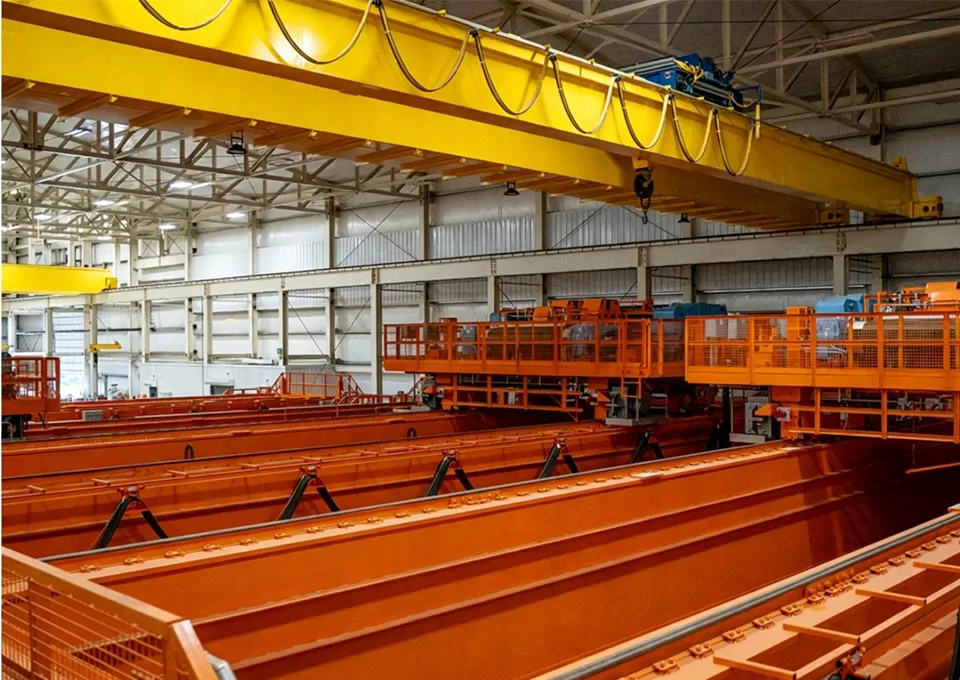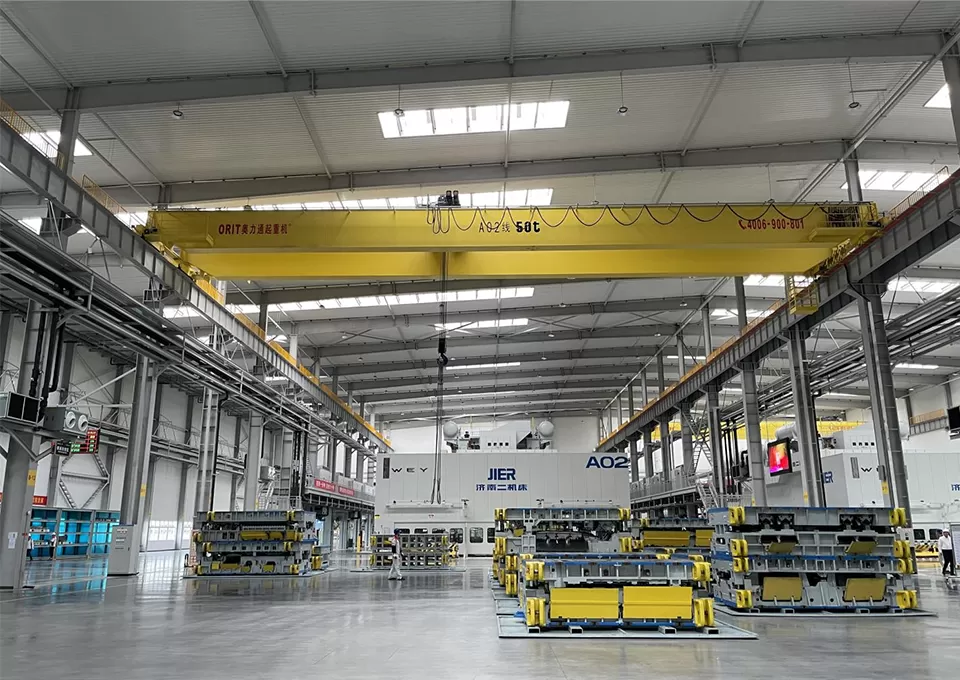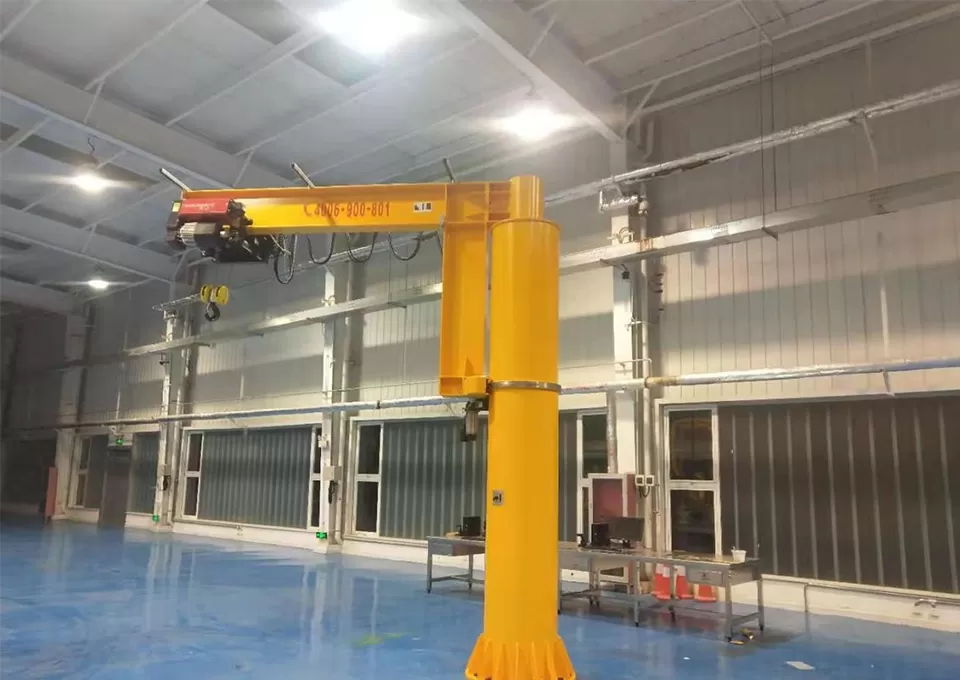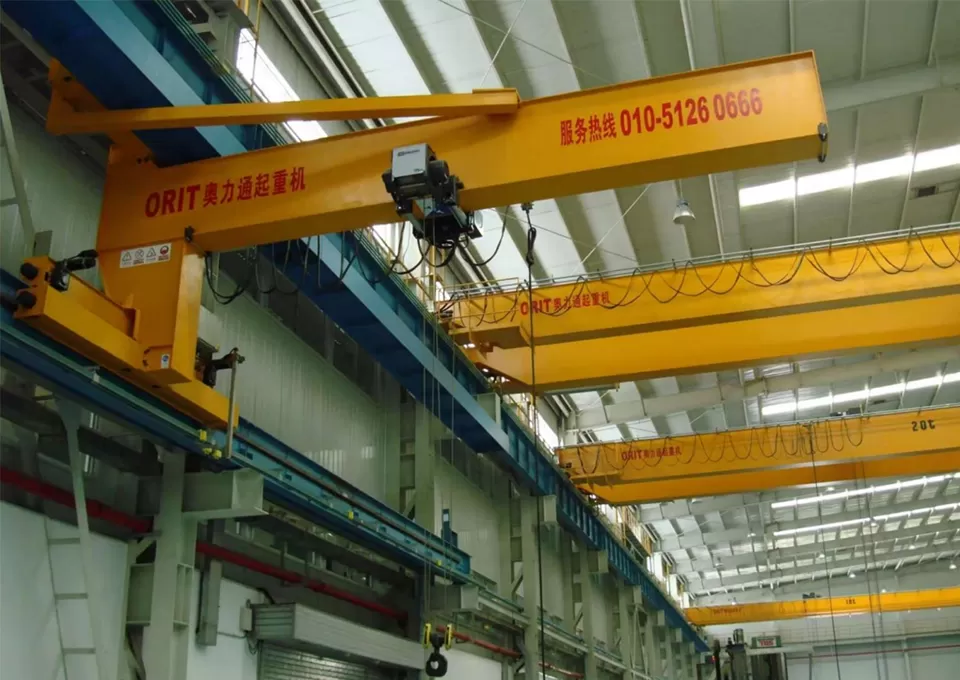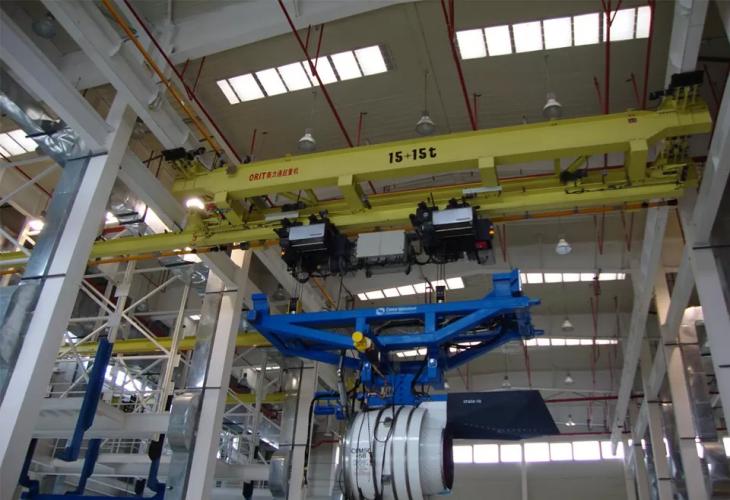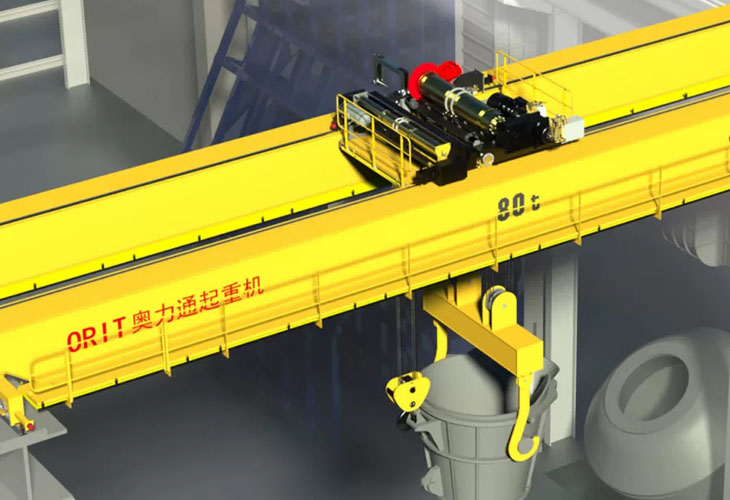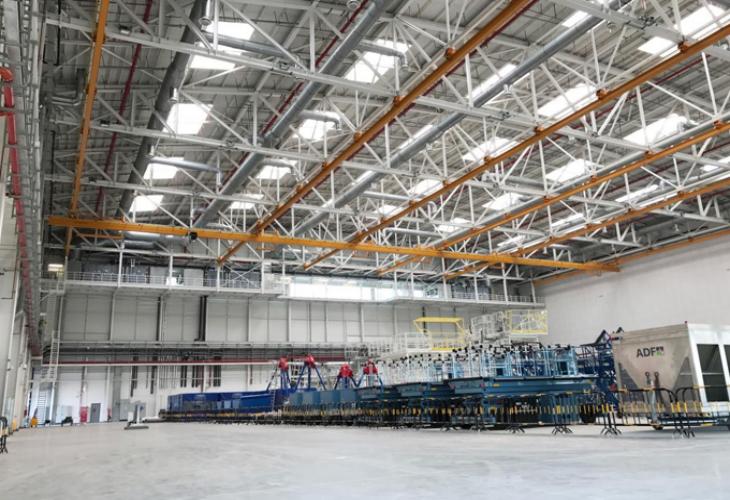
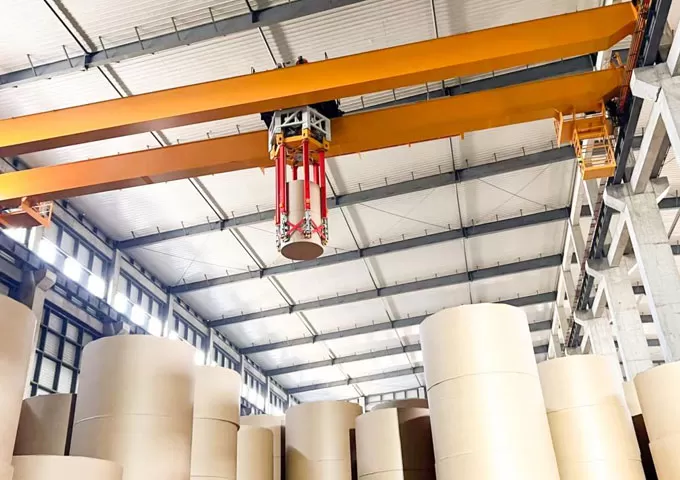
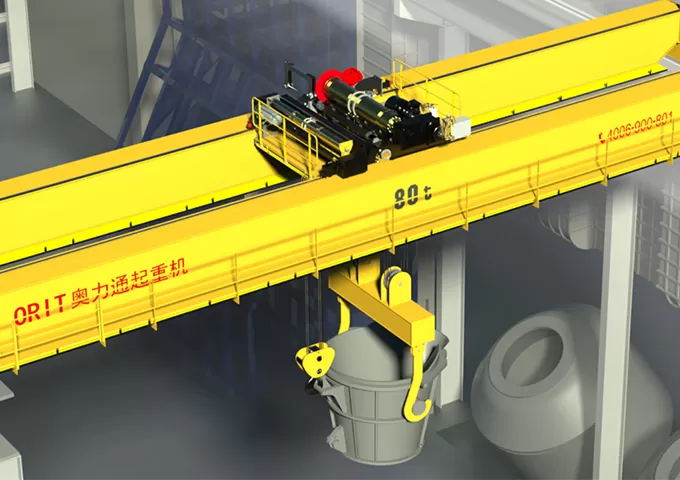
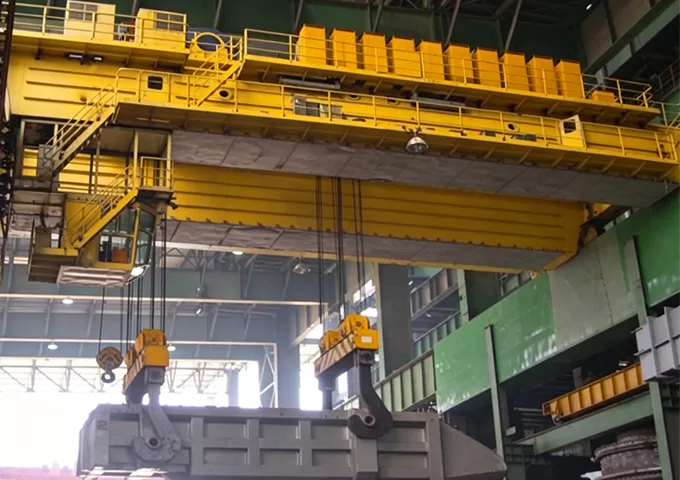
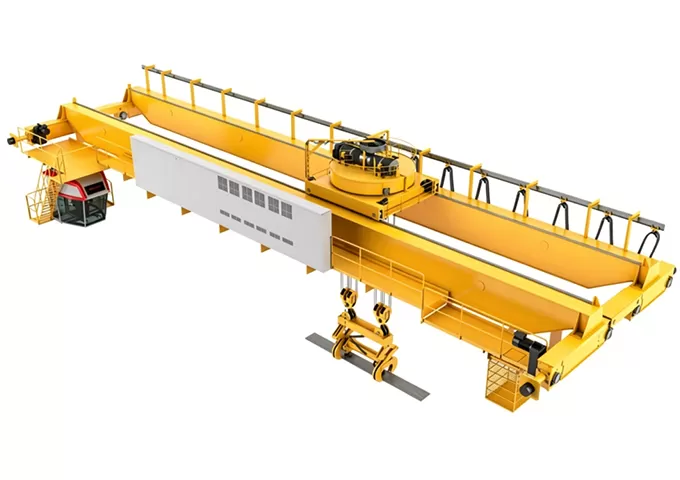
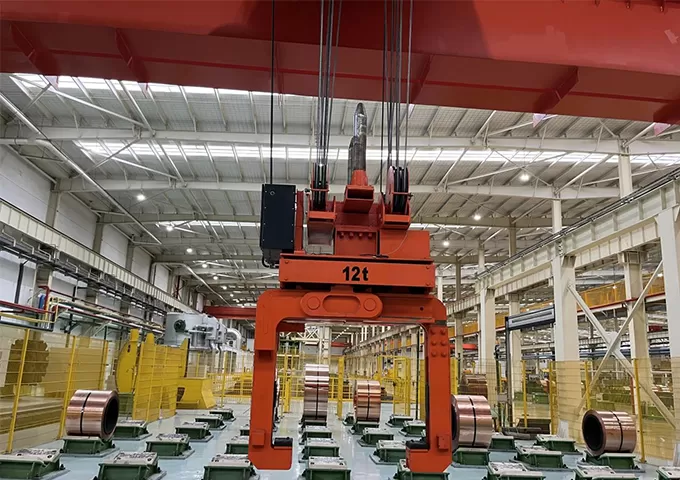
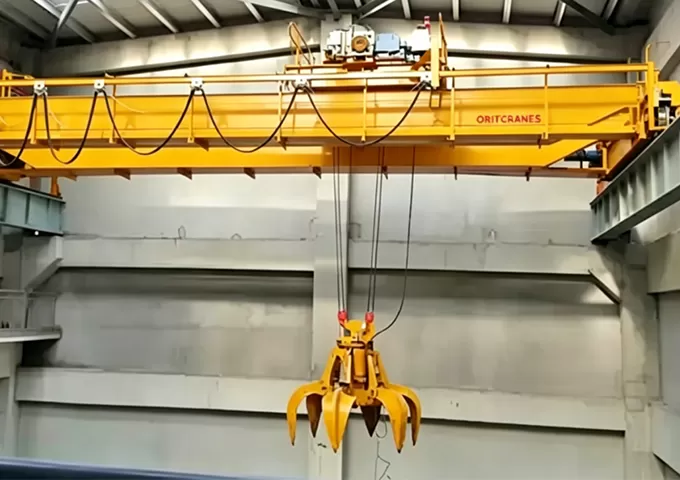
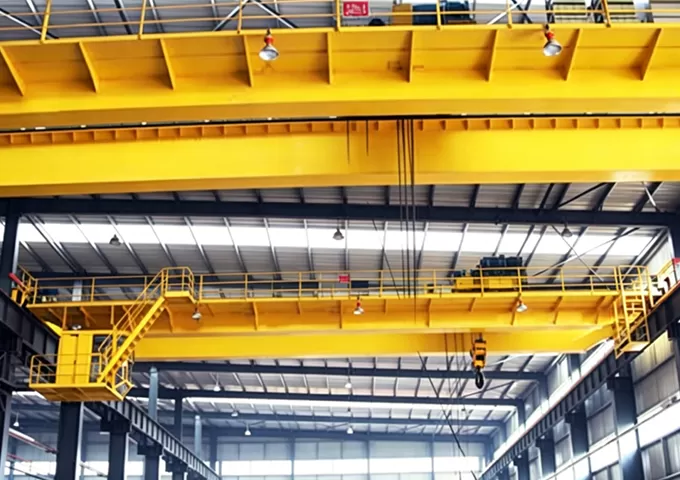

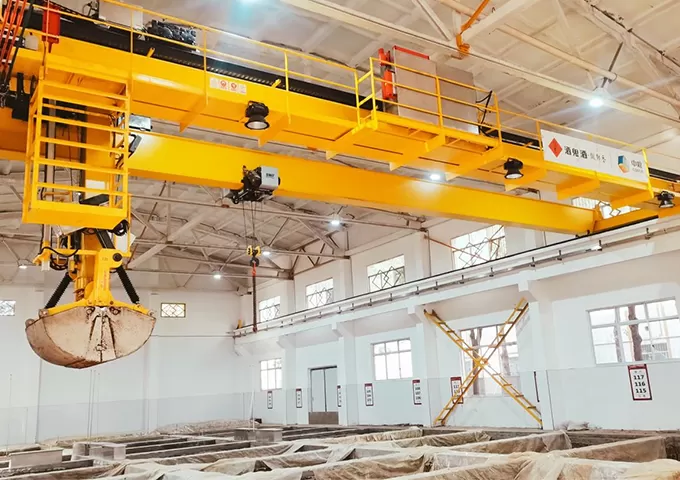
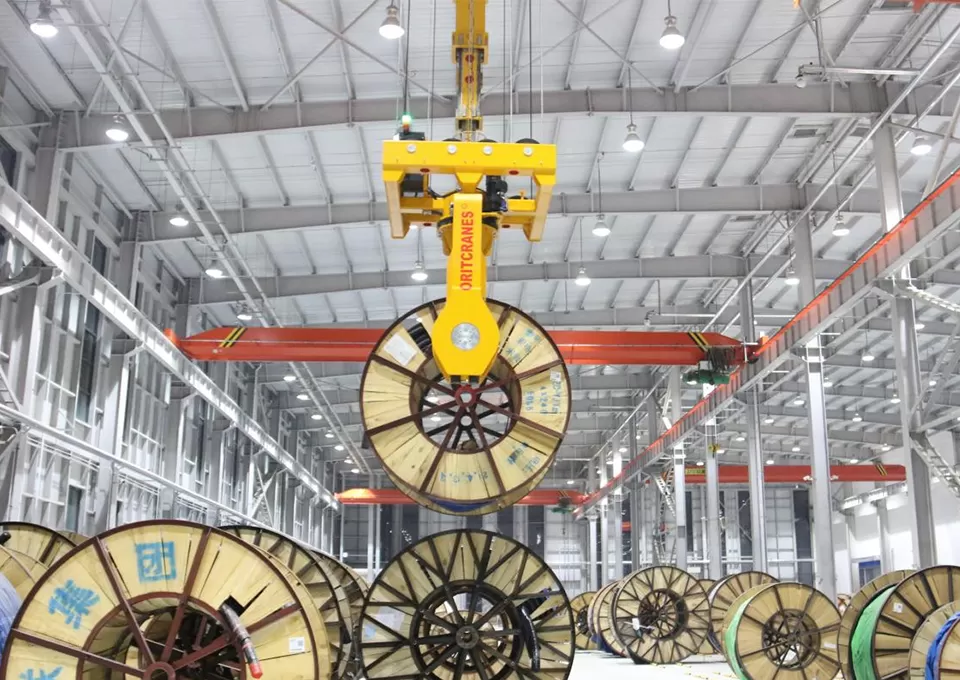

An effective aircraft hangar crane system should be designed around the maintenance task, aircraft envelope, lifting route, structural limitations, and future fleet requirements—not simply the maximum load capacity. For MRO facilities, the best solution provides sufficient coverage and hook access while minimizing interference with aircraft tails, wings, hangar doors, docking systems, lighting, ventilation, and other overhead equipment. Precision is equally important: aircraft engines, landing gear, tooling, and major components often require controlled positioning rather than basic lifting. Before specifying an aircraft crane, MRO planners should answer the following eight questions.
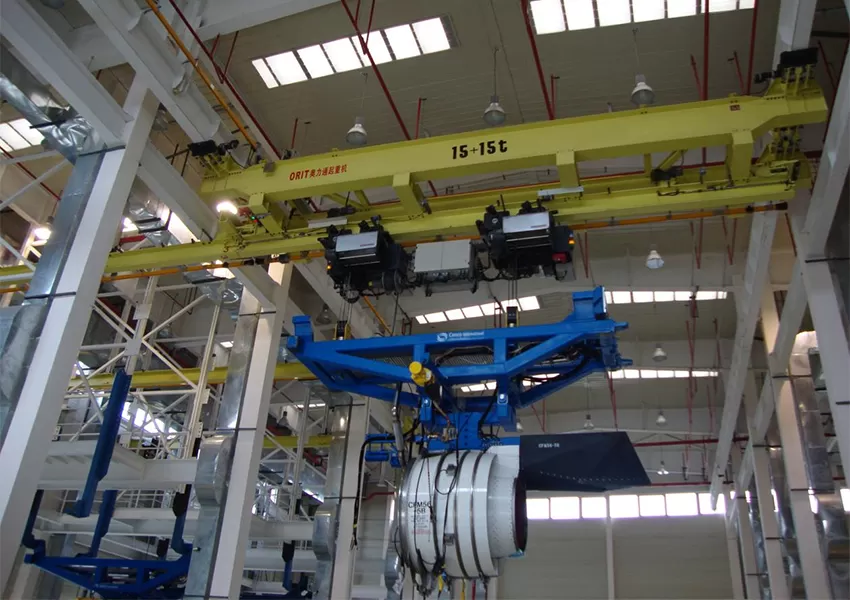
Crane capacity should be determined from real maintenance scenarios.
Identify the heaviest components to be lifted, including:
Aircraft engines
Landing gear assemblies
APUs and major components
Maintenance tooling and fixtures
Work platforms or specialized lifting equipment
Do not consider component weight alone. Rigging, lifting beams, spreaders, and other below-the-hook devices also contribute to the total suspended load.
The rated capacity must then be clearly defined. For example, OSHA defines rated load as the maximum load for which the crane or individual hoist is designed and built.
Oversizing every crane is not necessarily the best solution. In a large MRO hangar, multiple cranes with capacities matched to different maintenance zones may provide better operational efficiency.
The next question is not simply, “What is the hangar width?” It is:
Where must the hook reach during actual maintenance operations?
Map the required lifting points around each aircraft position, including the engine stations, wing areas, fuselage, tail section, component preparation zones, and maintenance workshops.
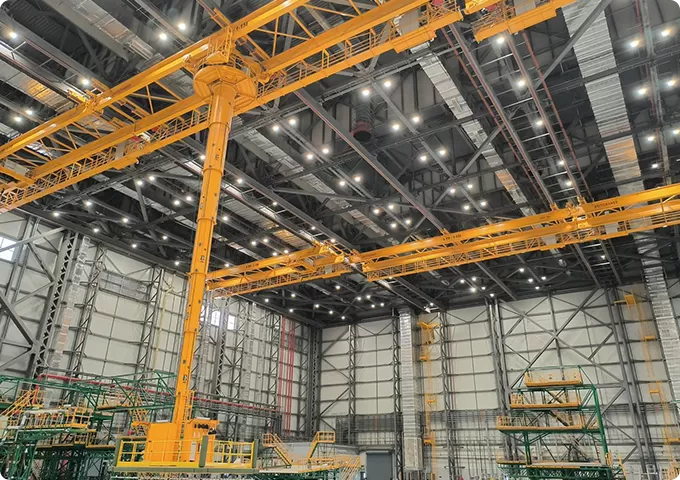
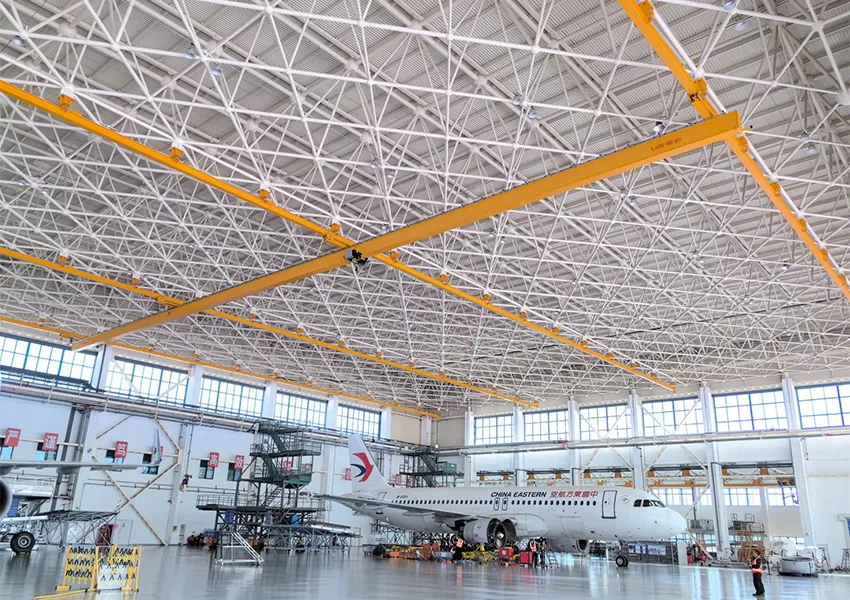
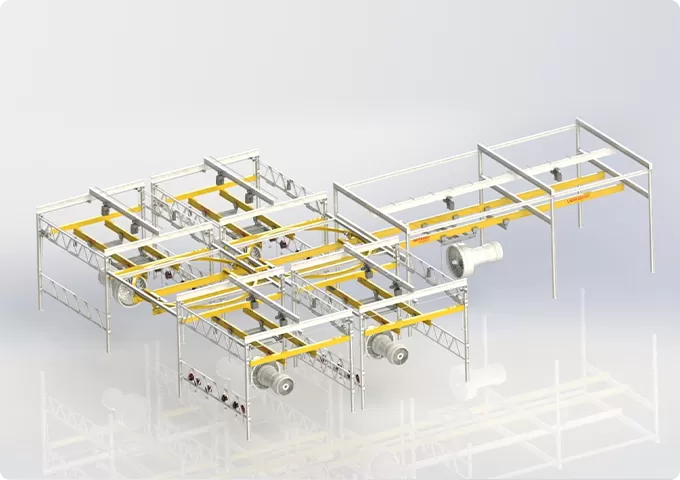
Large MRO facilities may require an exceptionally long-span hangar crane. Multi-point suspension configurations can be particularly useful where conventional bridge designs become structurally inefficient. ORITCRANES, for example, designs multi-suspension hangar crane systems with configurable suspension points for large-span aviation facilities.
Crane coverage should also consider future aircraft types rather than only today's fleet.
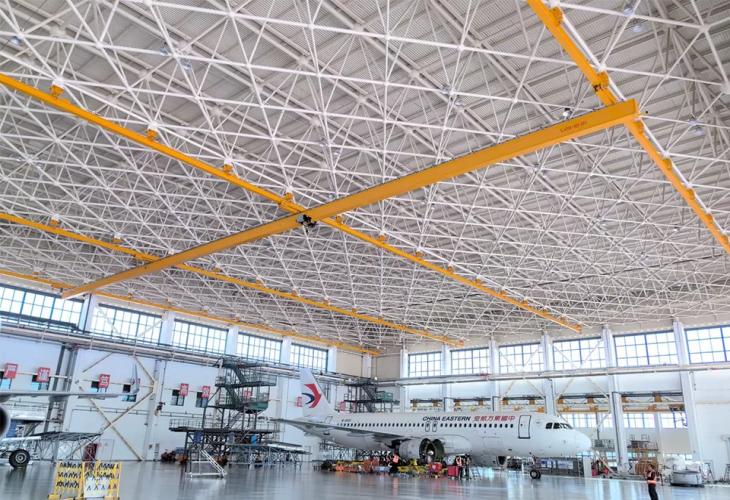
Available building height does not equal usable lifting height.
The design must account for:
roof structure + crane structure + trolley/hoist dimensions + hook approach + required lifting height + aircraft clearance.
This becomes especially important when removing an engine from a wide-body aircraft or transferring equipment above maintenance zones.
Fixed structural elements, ducts, sprinkler systems, lighting, doors, and access platforms must also be included in the clearance study.
For applicable overhead crane installations in the United States, OSHA specifies minimum clearance between cranes and surrounding obstructions, so these requirements should be coordinated during building design rather than after crane installation.
A hangar crane is part of the building load system.
Structural engineers need more than the crane's rated capacity. They should receive information covering:
Crane self-weight
Maximum wheel or suspension loads
Vertical operating loads
Horizontal travel forces
Dynamic effects
Eccentric loading
Load combinations and simultaneous crane operation
For roof-suspended systems, suspension-point reactions are particularly important.
Crane supplier and hangar structural designer should therefore coordinate early. Trying to integrate the aircraft crane after the roof structure is finalized can result in reinforcement costs, reduced lifting coverage, or compromised hook height.
Aircraft maintenance frequently involves valuable components operating with very small clearance margins.
An engine installation, for example, requires much better motion control than moving general industrial materials.
For these applications, consider features such as:
Variable-frequency drive control
Low-speed positioning
Smooth acceleration and deceleration
Anti-sway technology
Independent or synchronized crane movements
Radio remote control
ORITCRANES combines variable-frequency control and anti-sway functions in its aviation hangar crane systems to improve positioning stability during MRO operations.
The objective is to prevent sudden movement while giving technicians predictable control near the aircraft.
This question is often overlooked.
A large hangar may use several crane bridges or lifting points to expand coverage or handle long and irregular components. If two or more cranes must participate in one lifting operation, synchronization and operating procedures become critical.
OSHA specifically requires qualified supervision when two or more cranes are used to lift one load under the standard's applicable scope.
MRO facilities should therefore define early whether cranes must:
Operate completely independently
Work in synchronized mode
Transfer loads between operating areas
Support suspended maintenance platforms
Share runways or overlapping working zones
These requirements can significantly influence the crane control architecture.
Compliance requirements depend on the installation country, crane configuration, application, and facility.
For U.S. projects, relevant requirements may include OSHA 1910.179 for applicable overhead and gantry cranes and appropriate ASME B30 standards. ASME B30.2 addresses top-running overhead and gantry cranes within its defined scope.
Aircraft hangar fire and facility design requirements should also be coordinated with the applicable regulations and authorities having jurisdiction. NFPA publishes dedicated standards covering aircraft hangars and aircraft maintenance, including NFPA 409 and NFPA 410.
Depending on the project, an aircraft crane may also require overload protection, travel limits, emergency stops, anti-collision systems, warning devices, and other protective functions.
Crane maintainability should be designed in from the beginning.
Ask where technicians will access motors, brakes, electrical cabinets, wheels, hoists, sensors, and safety devices. Also determine whether servicing one crane will block other cranes or aircraft maintenance bays.
OSHA requires a preventive maintenance program based on the crane manufacturer's recommendations for equipment within the standard's scope.
For a high-utilization MRO facility, useful design priorities include accessible service points, modular electrical components, diagnostic functions, spare-parts planning, and the ability to isolate one crane while other maintenance operations continue.
Selecting an aircraft crane for an MRO hangar requires much more than specifying capacity and span.
The strongest design starts with eight issues: load characteristics, working coverage, hook height, structural loads, positioning accuracy, multi-crane operation, safety compliance, and maintainability.
Addressing these requirements during the early hangar design stage helps prevent structural modifications, restricted crane coverage, aircraft interference, and operational bottlenecks later.
For large-span MRO projects, a customized hangar crane with multi-point suspension, precision motion control, and aircraft-specific coverage can provide considerably more flexibility than a standard industrial overhead crane.
Overhead bridge cranes and specialized multi-suspension hangar cranes are commonly used. The correct configuration depends on hangar span, aircraft type, required hook coverage, structural design, and maintenance tasks.
Calculate the maximum component weight together with rigging, lifting beams, fixtures, and other below-the-hook equipment. The crane should then be engineered for the required duty and operating conditions.
Clearance depends on crane type and applicable regulations. For installations covered by OSHA 1910.179, minimum clearances from obstructions are specified, but the complete aircraft envelope and hangar equipment layout must also be considered.
Yes. Span, suspension points, lifting height, crane capacity, control system, and operating coverage can be engineered around different aircraft types and future MRO requirements.