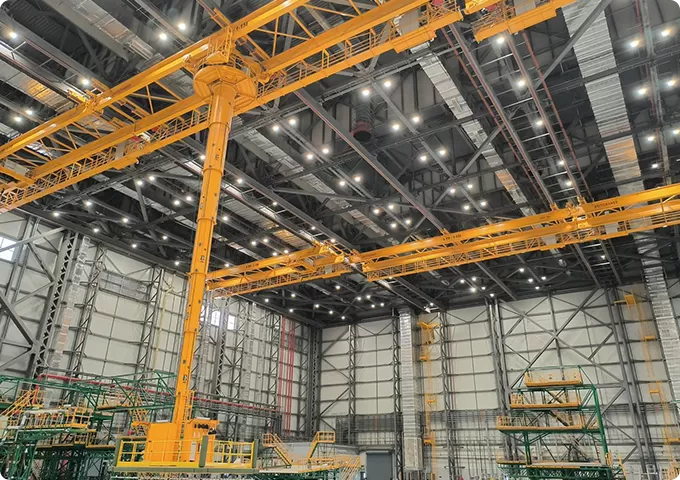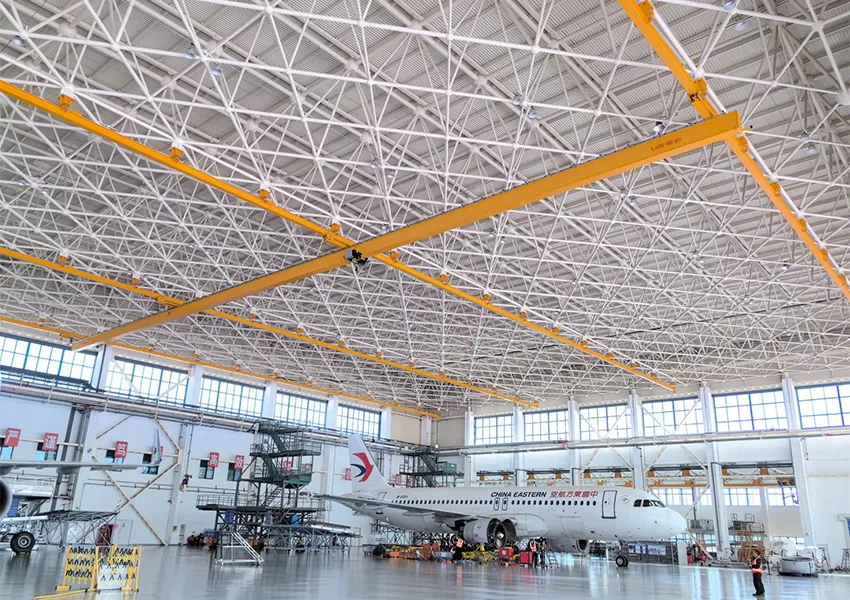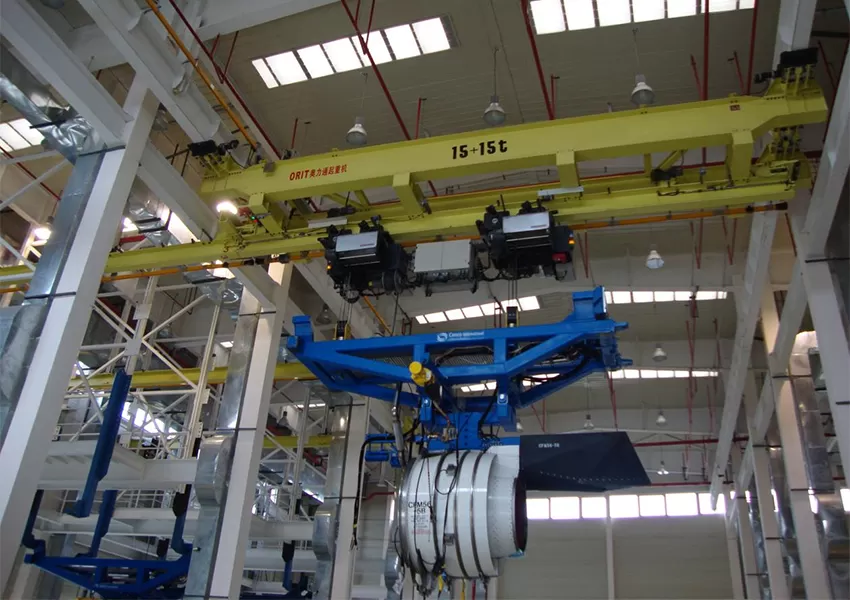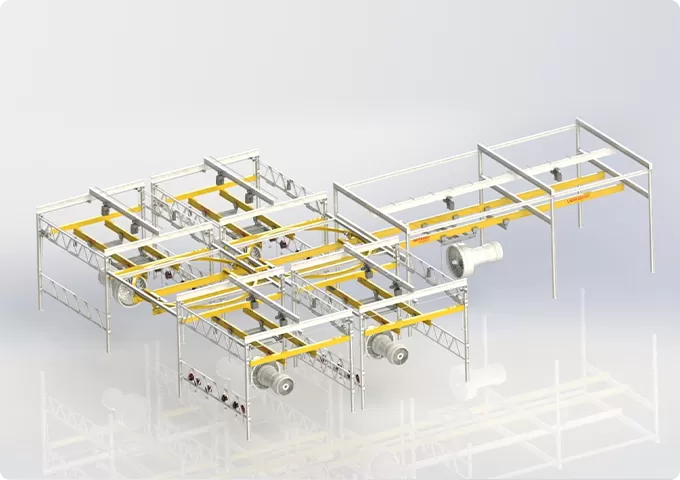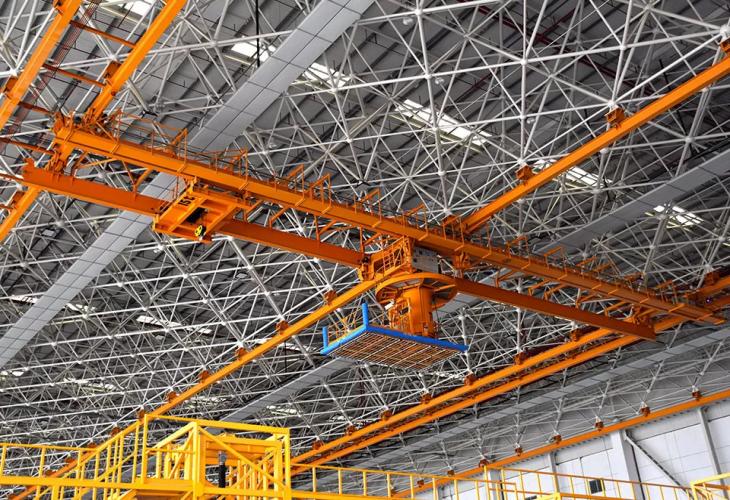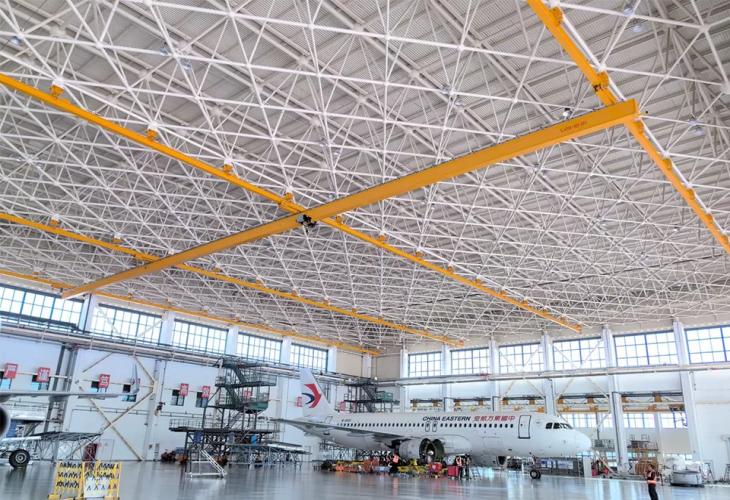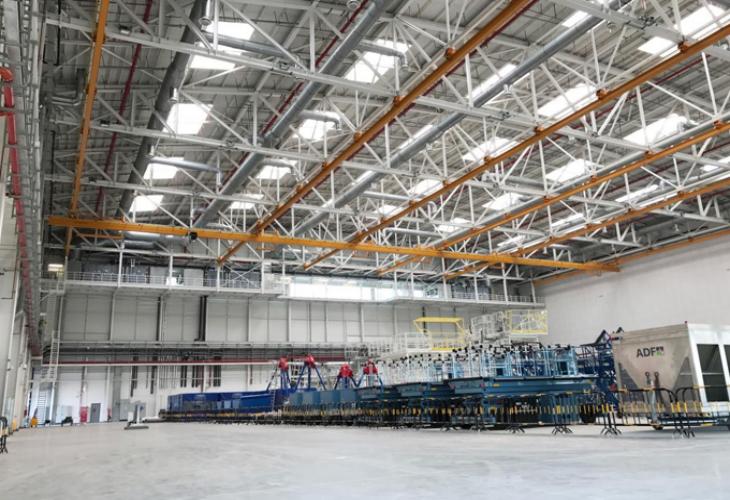
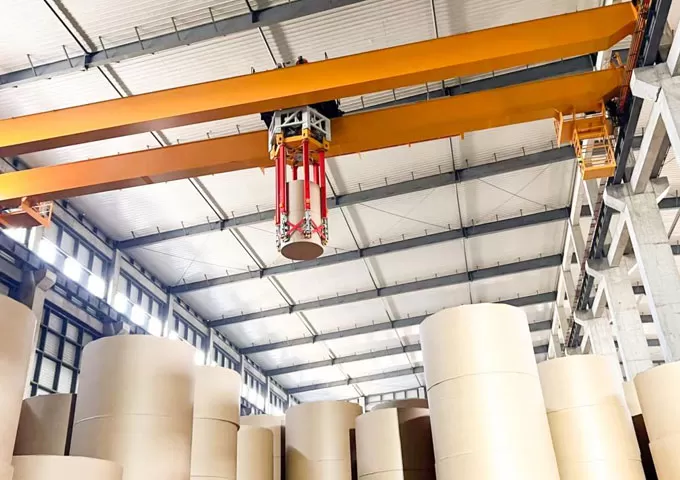
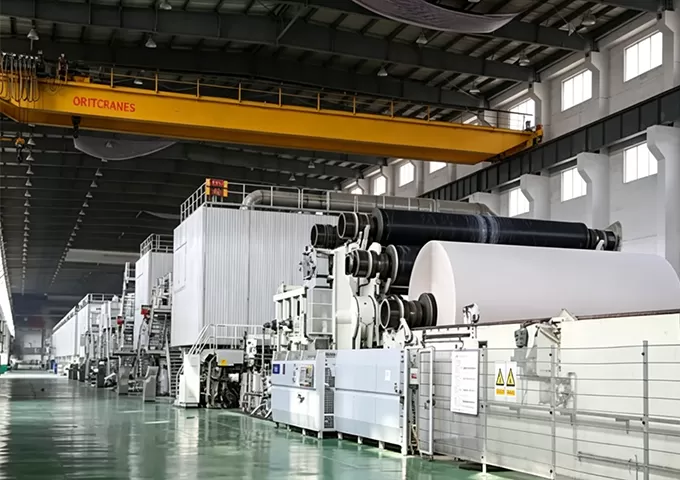
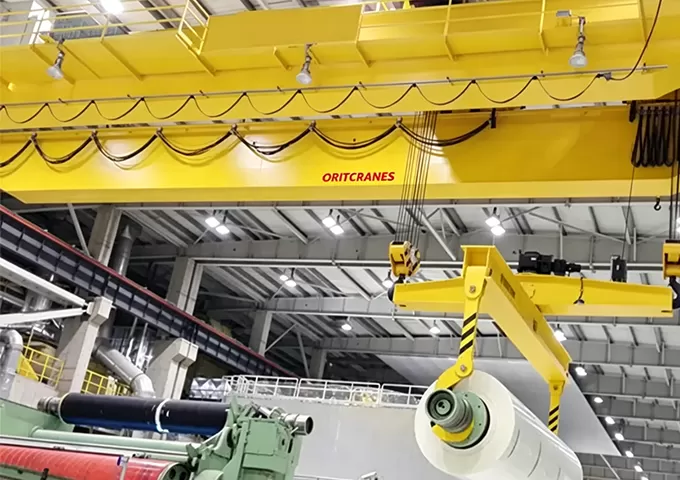
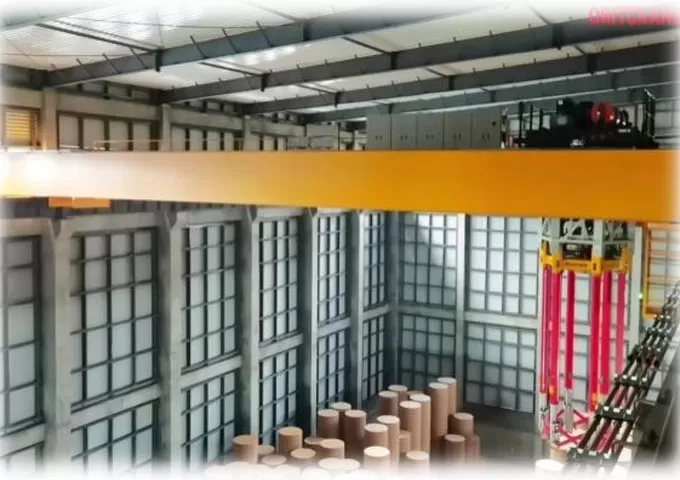
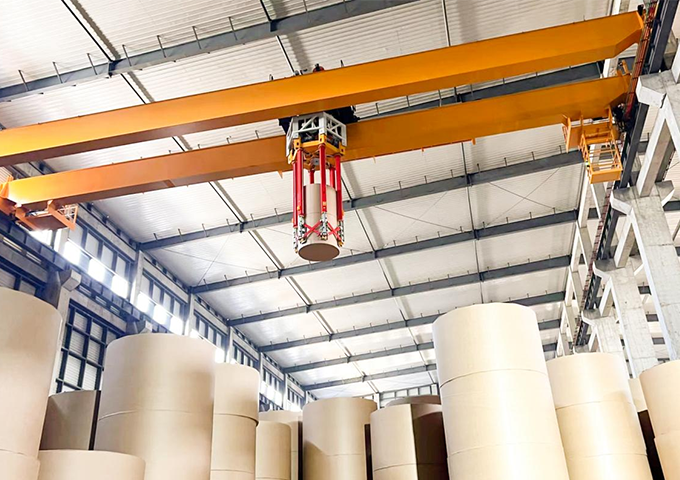
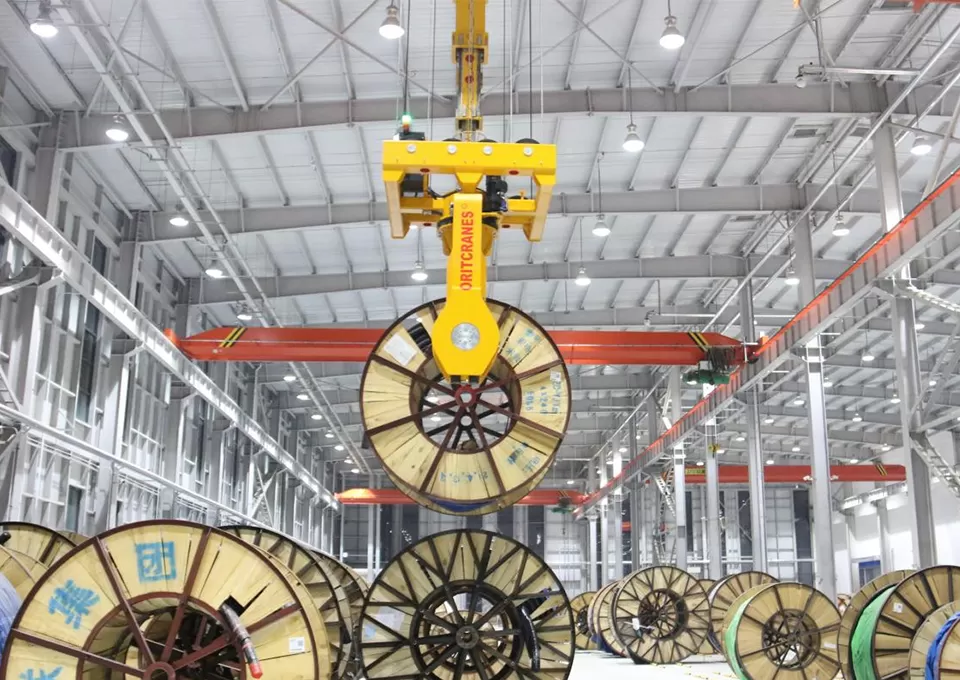
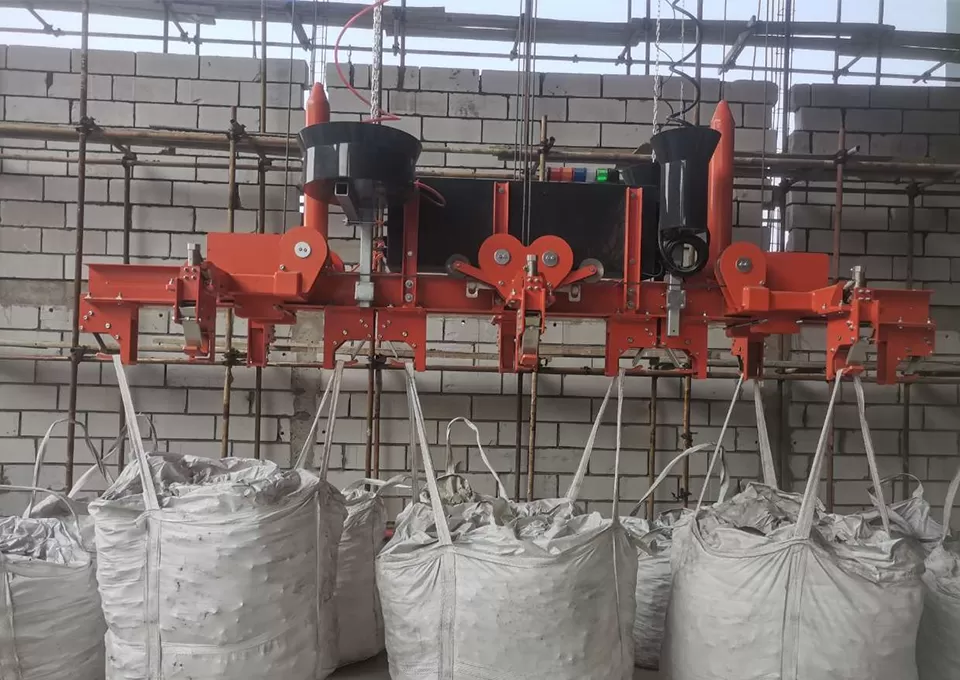
Aircraft engine handling systems reduce MRO turnaround time by making engine removal, lifting, transfer, positioning, and storage more controlled and continuous. Instead of relying on repeated ground-level repositioning or multiple handling devices, an integrated system allows technicians to move heavy engines more efficiently between maintenance stages while maintaining precise control. This matters because engine MRO turnaround is not determined only by repair work. Waiting for equipment, clearing transport routes, repositioning loads, and coordinating handovers can also extend the maintenance cycle. Industry pressure to shorten engine turnaround times remains significant, particularly as engine shop capacity and maintenance demand continue to challenge operators and MRO providers.
A significant source of avoidable delay is the movement between engine removal, inspection, repair, storage, and reinstallation.
Large aircraft engines require carefully controlled movement. Conventional ground handling may involve additional spotters, route clearance, and repeated repositioning when space is limited. Moving large engine stands with conventional ground equipment can become particularly time-consuming when operators must repeatedly adjust direction to obtain sufficient clearance.
An integrated aircraft engine handling system reduces these interruptions by creating a more direct handling path and minimizing unnecessary transfers between separate pieces of equipment.
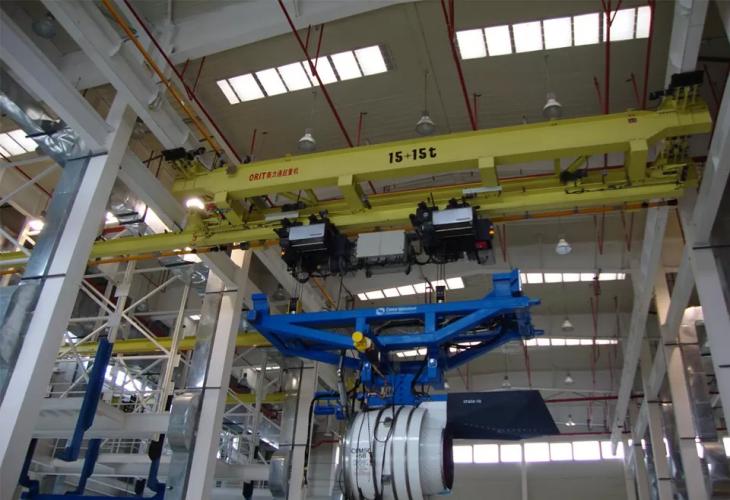
Precision reduces the time technicians spend correcting load position during removal and installation.
An aviation engine crane equipped with controlled lifting, anti-sway functions, and accurate positioning can bring the engine into the required working position with fewer adjustment cycles. This is especially important near aircraft structures, where uncontrolled movement can create both safety risks and additional delays.
ORITCRANES' Engine Handling System combines controlled aerial movement with anti-sway protection, overload protection, and precision positioning to maintain stable engine movement throughout the handling process.
Overhead transfer separates engine movement from much of the traffic taking place on the hangar floor.
Ground routes may already be occupied by maintenance stands, service vehicles, tooling, and other equipment. By moving the engine through an engineered overhead path, MRO facilities can reduce interference between engine transport and other maintenance activities.
ORITCRANES specifically uses aerial engine movement to reduce conflicts with ground equipment while integrating lifting, transferring, and storage into the same handling process.
For specialized crane aviation applications, this workflow integration can be more valuable than lifting speed alone. The objective is not simply to move the engine faster, but to reduce stops, equipment changes, and repeated positioning between maintenance stages.
Yes. The greatest efficiency improvement often comes from connecting several handling stages into one planned workflow.
A properly engineered system can support the engine from removal through transfer to its next maintenance or storage position. This reduces unnecessary handoffs and gives technicians a more predictable sequence of operations.
For MRO facilities processing multiple engines, more predictable handling also makes it easier to schedule work bays, technicians, and downstream maintenance activities. ORITCRANES has applied aircraft engine handling systems in projects including Pratt & Whitney and China Eastern Airlines, with the systems designed to improve engine flow and maintenance turnover efficiency.
Reducing aircraft engine MRO turnaround time is not only a matter of performing maintenance faster. It also requires eliminating avoidable delays between removal, transport, positioning, storage, and reinstallation.
A purpose-designed engine crane and integrated engine handling system can shorten these non-value-added handling stages through precise positioning, stable movement, overhead transfer, and better workflow continuity. For high-throughput MRO facilities, these improvements help keep engine movement aligned with the overall maintenance schedule rather than becoming a bottleneck.
Aircraft MRO facilities typically use specialized lifting and engine handling equipment designed for the engine type, aircraft configuration, and maintenance procedure.
It reduces repeated positioning, equipment changes, transport delays, and unnecessary handling between maintenance stages.
It improves load stability and positioning accuracy, helping technicians move sensitive engine assemblies more safely and efficiently.
No. Integrated systems can support lifting, transferring, positioning, and storage as part of a coordinated MRO workflow.